
Three ecologists and biologists from Thailand, Zambia and the US are preparing to send microscopic organisms from their local ecosystems to the International Space Station in 2027.
The research initiative, named L³: Little Living Lab, has been developed in relation to their roles as National Geographic Explorers (innovative changemakers who receive funding and support from the Society).
L³: Little Living Lab will ‘stress-test’ the microscopic samples by exposing them to microgravity and radiation in space for 50 days. It’s hoped that the findings will help inform solutions needed to protect Earth’s oceans, food supply and atmosphere.
The three scientists will collect samples for their projects throughout 2026. Suchana 'Apple' Chavanich, a marine biologist at Chulalongkorn University, Thailand, will collect specimens of Pseudoalteromonas sp. This bacterium is found throughout marine environments and provides many functions to help protect coral health, such as controlling microalgae and algal blooms. Chavanich aims to better understand how the bacterium can improve coral reef resilience in the face of ocean warming and acidification.
Gabrielle Corradino, a plankton ecologist and oceanographer at Barnard College of Columbia University, will contribute four phytoplankton species: Synechococcus, Thalassiosira, Skeletonema and Phaeodactylum. “Sending marine plankton to space allows us to see familiar organisms in an entirely unfamiliar way,” explains Corradino.
“Phytoplankton are the foundation of ocean life and the source of the air we breathe. Therefore, their survival is our survival. Their future is inseparable from our own.”
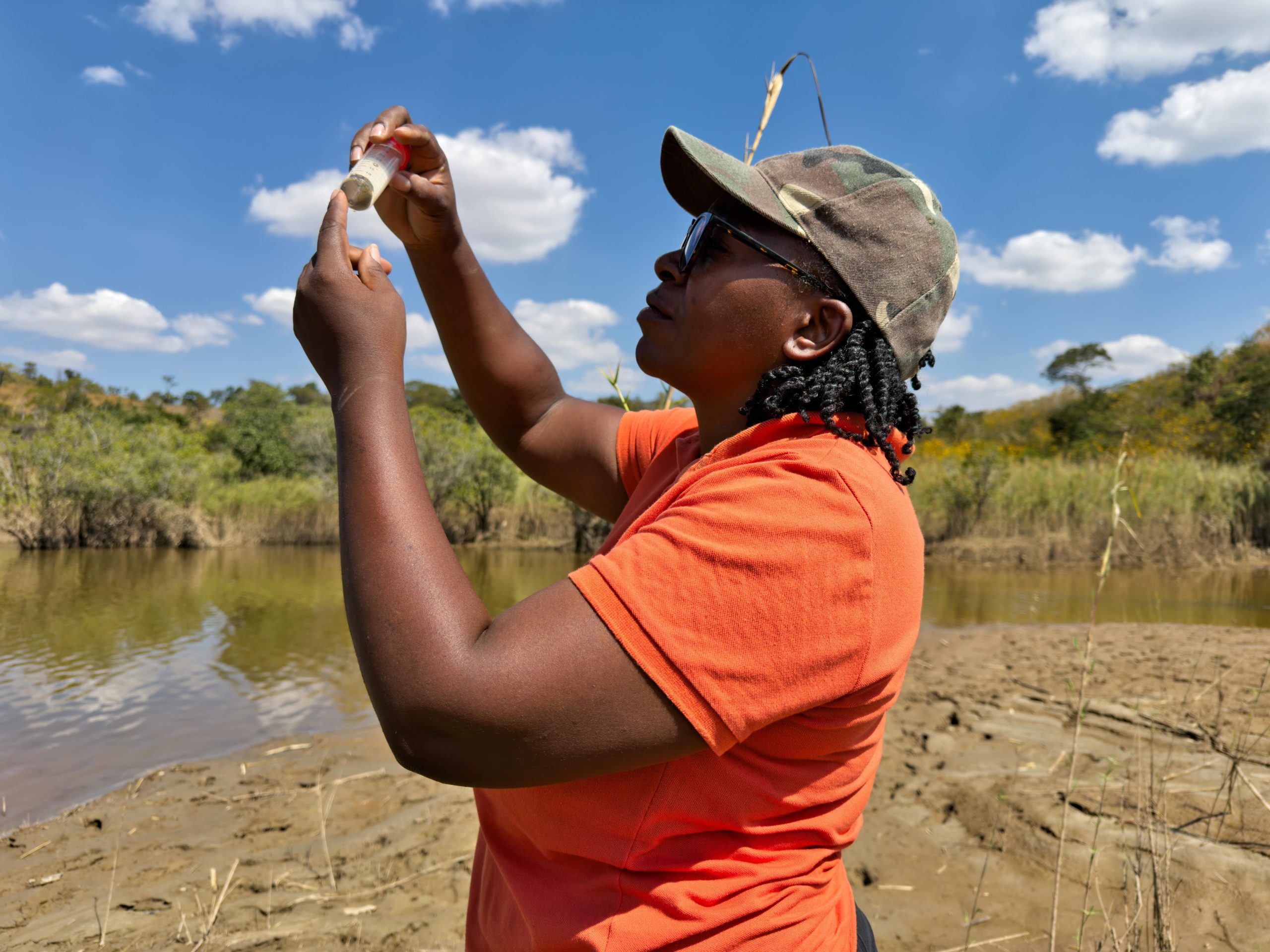
Moola Mutondo, a geneticist at Zambia’s Copperbelt University, will send Anabaena sp. (a blue-green algae) collected from metal-heavy mining sites. They hope to discover whether space conditions enhance the algae’s natural ability to grow – which could help to create sustainable fertiliser for farmers.
“Extreme environments often push living organisms to adapt in extraordinary ways,” says Mutondo. “By studying how microgravity and radiation trigger biological adaptations, I hope to unlock new ways to grow food in a rapidly changing climate.”
Once the samples return from orbit, the scientists will begin a months-long analysis to understand how the microorganisms respond to the extreme conditions.
The L³: Little Living Lab is the result of a collaboration between the National Geographic Society and the Brinson Exploration Hub at the California Institute of Technology (USA), with students and staff from the university working on the technology needed to run science experiments in a microgravity environment.
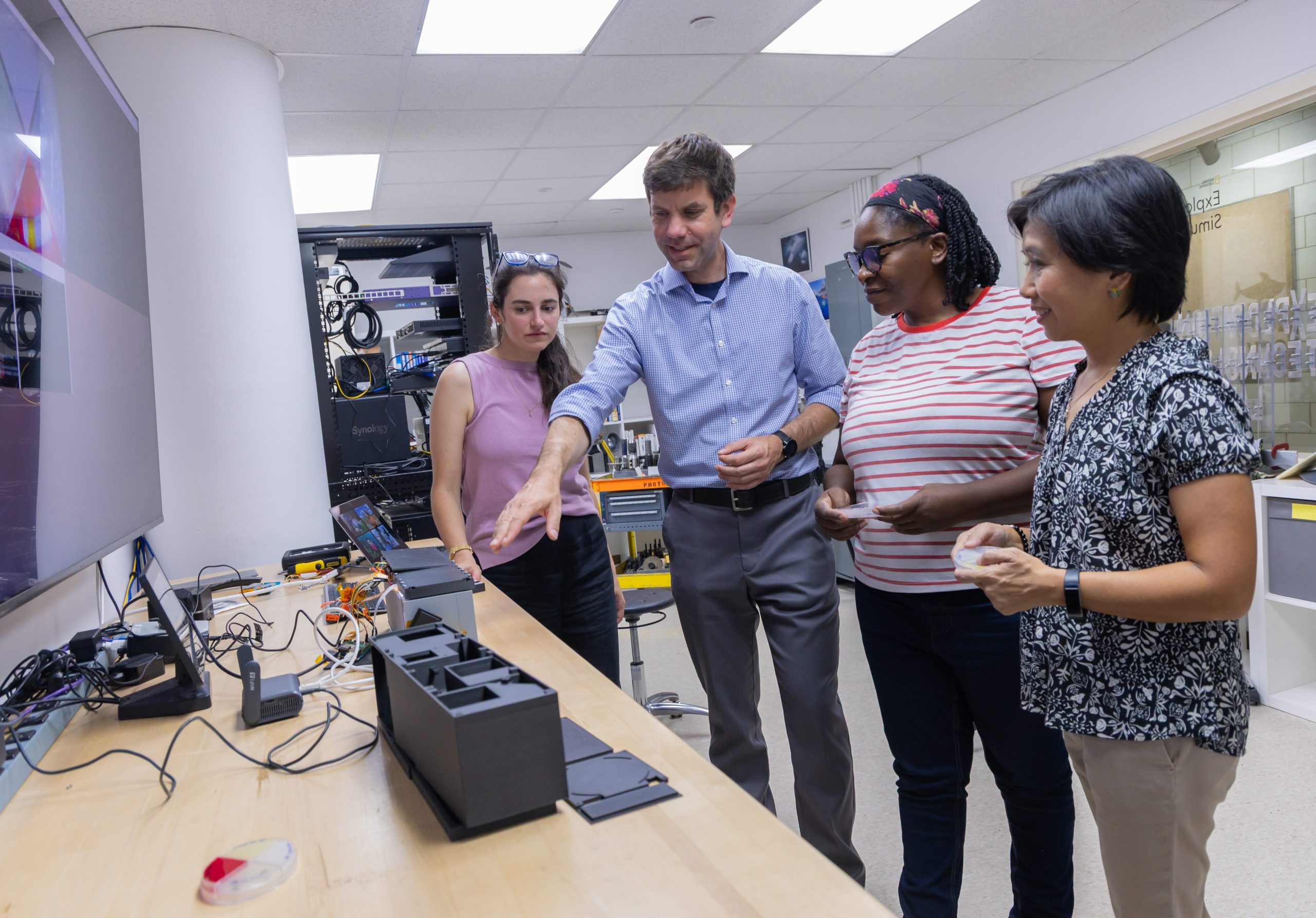
All of the work will be conducted ahead of a summer 2027 NASA space launch, where the samples will join other cargo and crew supplies travelling to the International Space Station.
“The answers to preserving life on Earth may well come from analyses 250 miles above it,” says Ian Miller, chief science and innovation officer at the National Geographic Society.
“The Society is committed to understanding and illuminating our world and what lies beyond it, and we’re proud to support these three Explorers as they test new ideas and inspire wonder about our planet and our place within the universe.”
Top image: marine biologist Suchana 'Apple' Chavanich holds a sample piece of coral collected in a reef near Samae San Island, Chonburi Province, Thailand in March 2026. Credit: Sirachai 'Shin' Arunrugstichai/National Geographic


