
The ocean covers over 70 per cent of our planet, remaining largely unknown and unexplored. Yet, within its deep trenches and sunlit coral reefs lie creatures of unimaginable scale and power.
Whether you’re wondering which beast commands the deepest waters or what kind of creature holds enough venom to drop 26 in minutes, these record breakers reveal the hidden wonders in the watery depths.
Ocean record breakers
Biggest animal in the ocean – and the world!
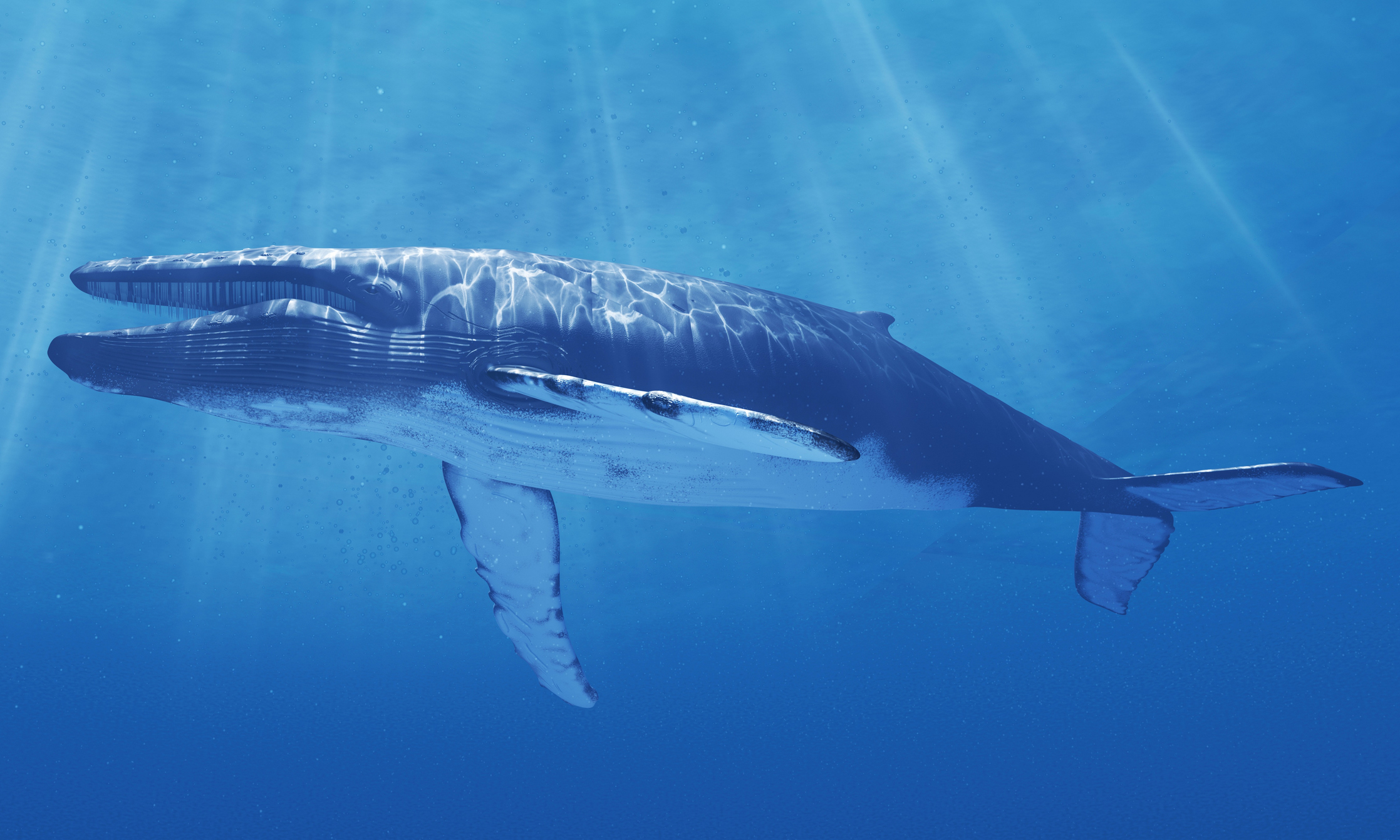
Nine of the ten biggest animals in the world are whales – and the tenth biggest is the whale shark, the largest fish in the world (and often confused for a whale). The biggest of the bunch is the blue whale, which can grow to 33 metres in length. Females can weigh 180,000kg, while males reach around 150,000kg.
Biggest shark in the ocean
The vast whale shark is the world’s largest shark – and fish – species, reaching up to 20m in length. Despite its whopping size, the whale shark is a gentle giant, consuming plankton through its filter-feeding method. It is, of course, one of the biggest animals in the ocean.
Deadliest sea snake in the ocean
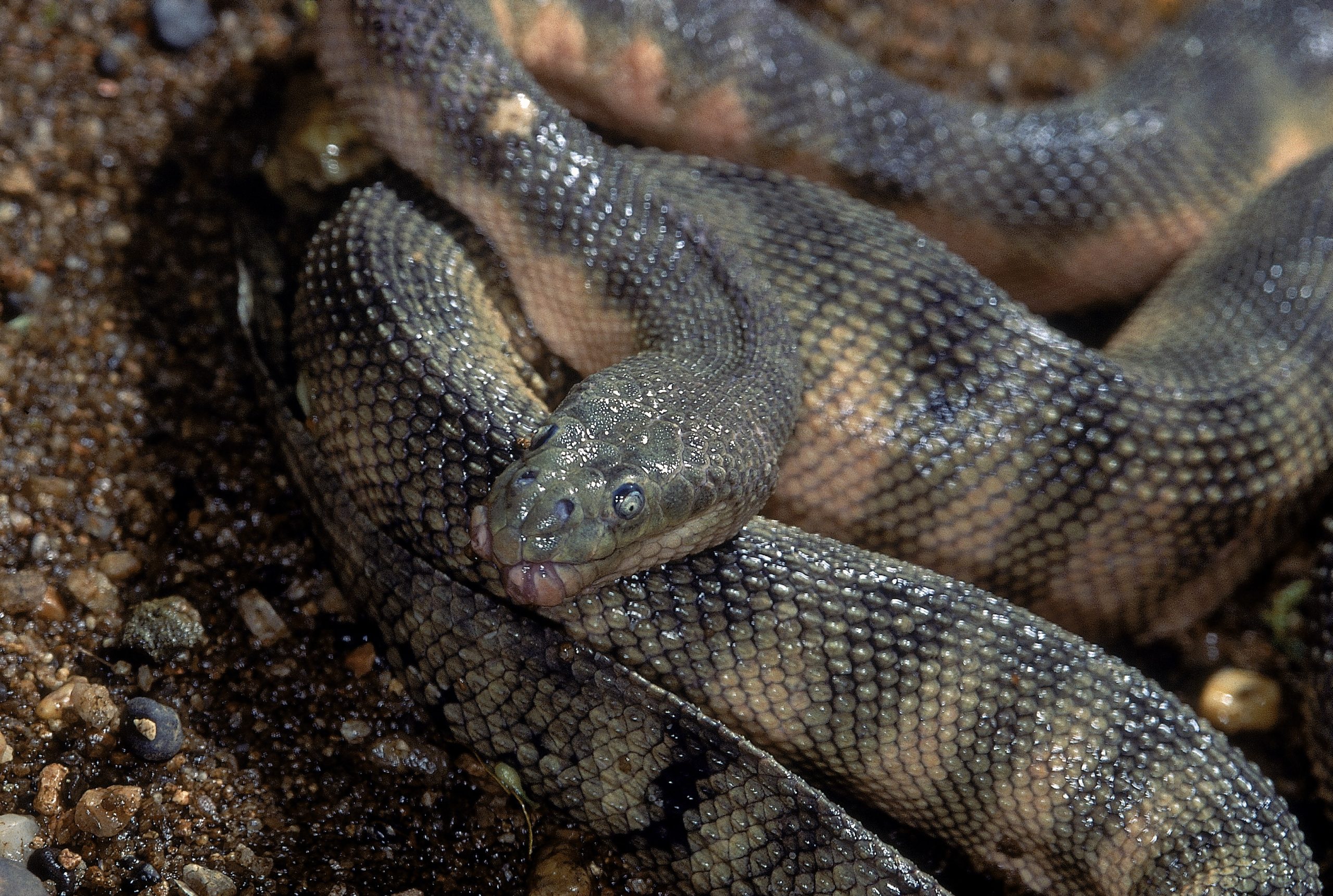
The category of deadliest sea snake is a slightly tricky one to judge. The Dubois’ sea snake has the most toxic venom of any snake, but it’s the beaked sea snake that causes the most human fatalities year on year. Up to 90 per cent of human deaths from sea snakes are because of this species in particular. Their victims are usually fishermen, who come into contact with the snakes when hauling in their nets. They have an aggressive nature and can attack when they are perceived to be under threat.
- "Symptoms develop quickly and its venom can cause paralysis, respiratory failure and death." 6 most dangerous, deadliest sea snakes on the planet
- "That's where I met the snake!" Watch moment diver comes face-to-face with one of the ocean's most deadly, venomous creatures
Biggest coral colony in the ocean
The largest coral ever recorded was discovered by scientists in 2024. The mega coral – a collection of many creatures which together form a single organism (rather than a coral reef) – was found in the Solomon Islands, in the southwest Pacific Ocean. It measures a staggering 34m in width and 32m in length. Experts believe this mega coral, which can be seen from space, is around 300 years old.
- It's as long as a basketball court, as tall as a giraffe and so huge it can be seen from space
- “It’s by far the largest I’ve ever seen in my 25 years as a marine biologist…” New 4-metre giant, 400-year-old creature discovered
Longest invertebrate in the ocean
The rarely-spotted giant squid is the longest invertebrate on Earth, with tentacles stretching up to 13m in length. But when it comes to weight, another squid takes the top prize.
Heaviest invertebrate in the ocean
Although the colossal squid is shorter in length than the giant squid, but it weighs significantly more. While the heaviest giant squid on record tipped the scales at 220 kilograms, the heaviest colossal squid was around 495kg.
Biggest mouth in the ocean
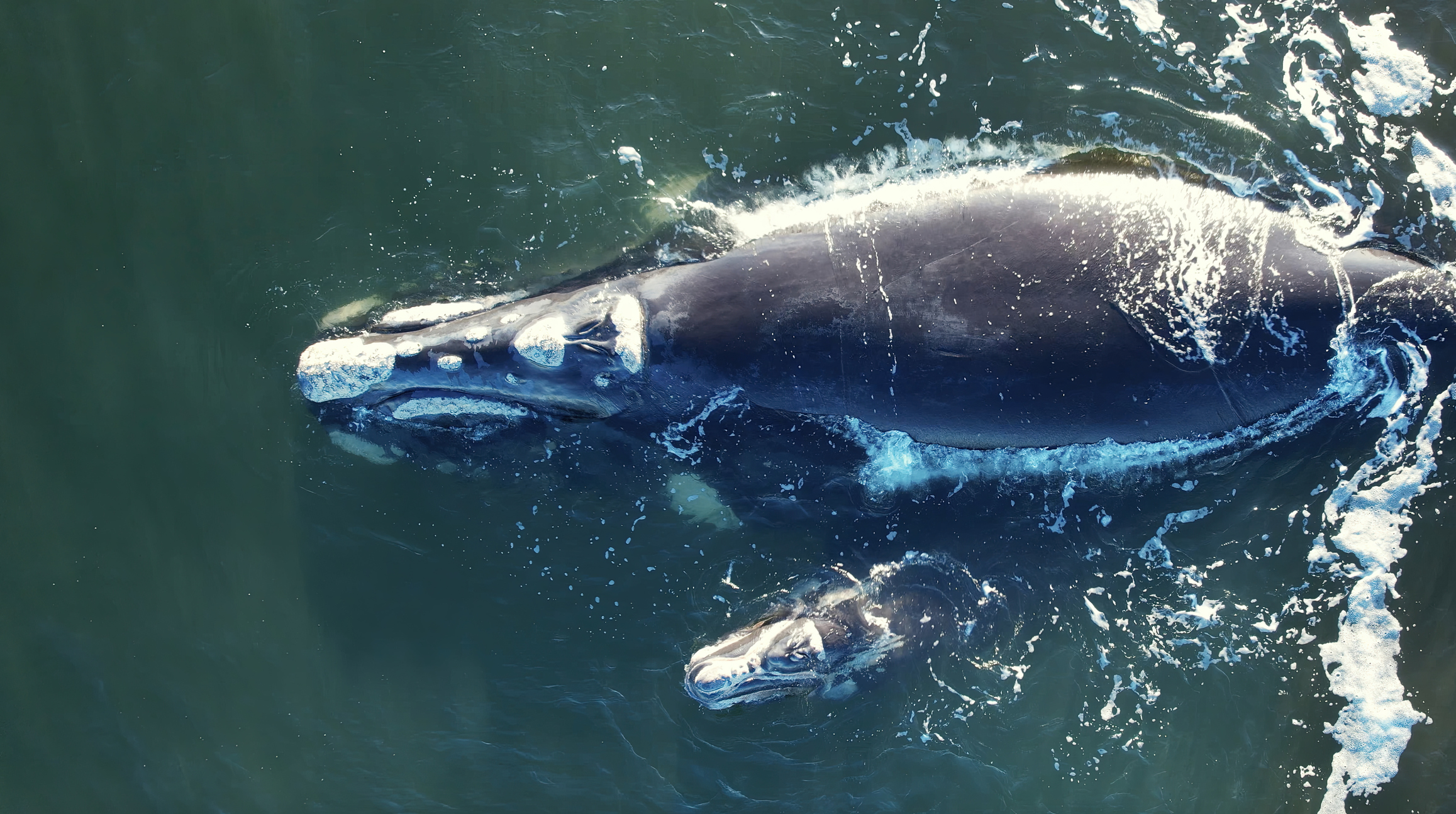
The bowhead whale’s mouth is five metres long – a third of its total body length, which makes it the biggest mouth in the animal kingdom. As a result, it has a vocal repertoire that’s rivalled only by a few species of songbirds. A study found that the bowhead whale develops a new set of songs each season. Unlike humpback whale song, which is more formal in structure, bowhead whale song is much more freeform and unrepetitive.
Deepest point in the ocean
The deepest known point in the ocean is the Challenger Deep in the Mariana Trench of the western Pacific Ocean. It is thought to reach depths of nearly 11km (7 miles) below the ocean surface.
- How deep is the deepest part of the ocean?
- What's the deepest point on Earth that life has been found?
Biggest toothed whale in the ocean
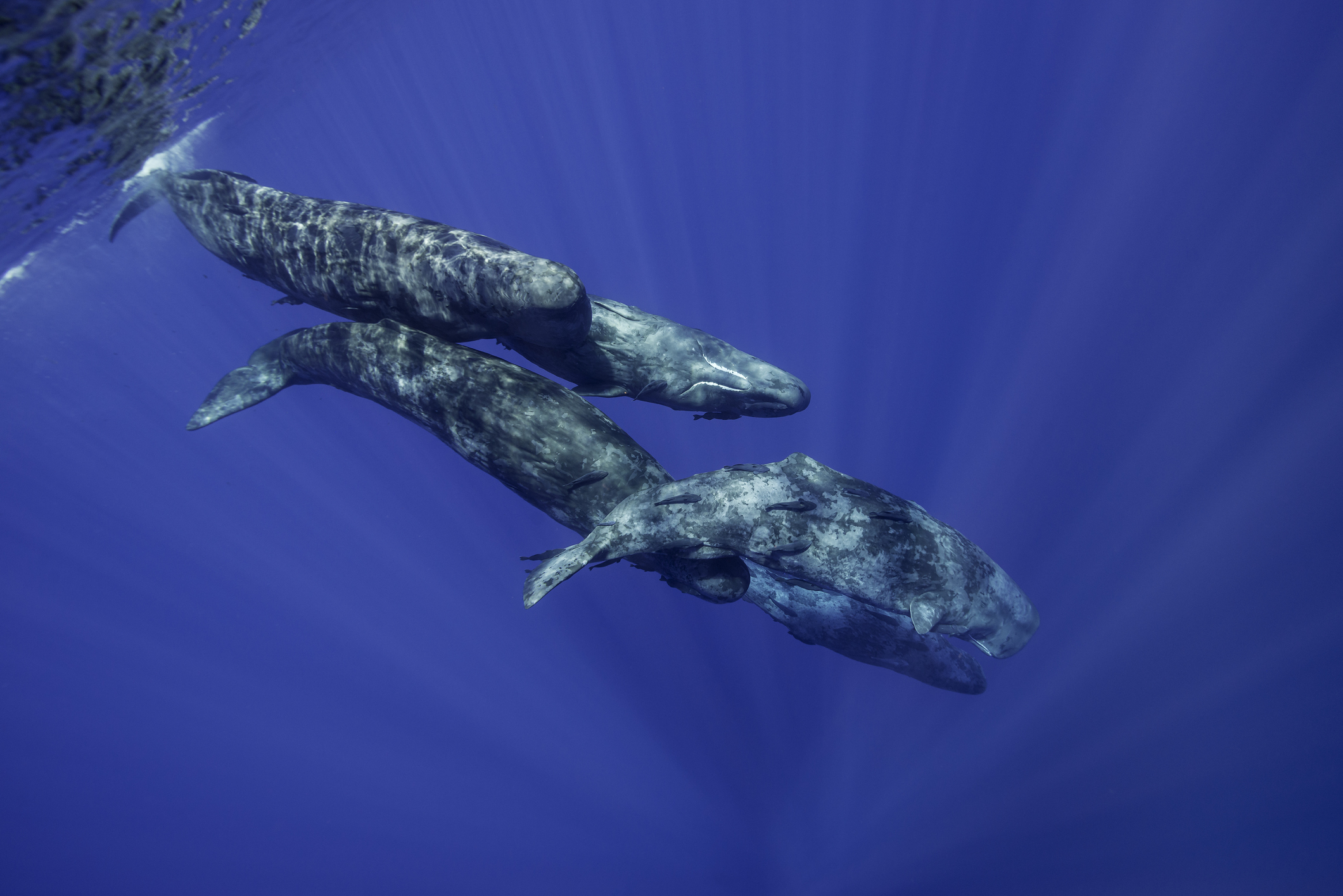
Sperm whales are the biggest of all the toothed whales – so large, in fact, that they are often grouped together with the great whales, measuring up to 20m. A sperm whale weighs the same as nine elephants, and is the planet’s largest active hunter, hunting prey in the deep ocean, including giant squid, sharks and other marine mammals.
Loudest animal in the ocean
The loudest animal in the world creates its sounds underwater: the blue whale. It emits rumbling calls, known as ‘songs’, which are loud enough to cause permanent damage to human eardrums, recorded at over 180 decibels (dB).
Deadliest animal in the ocean
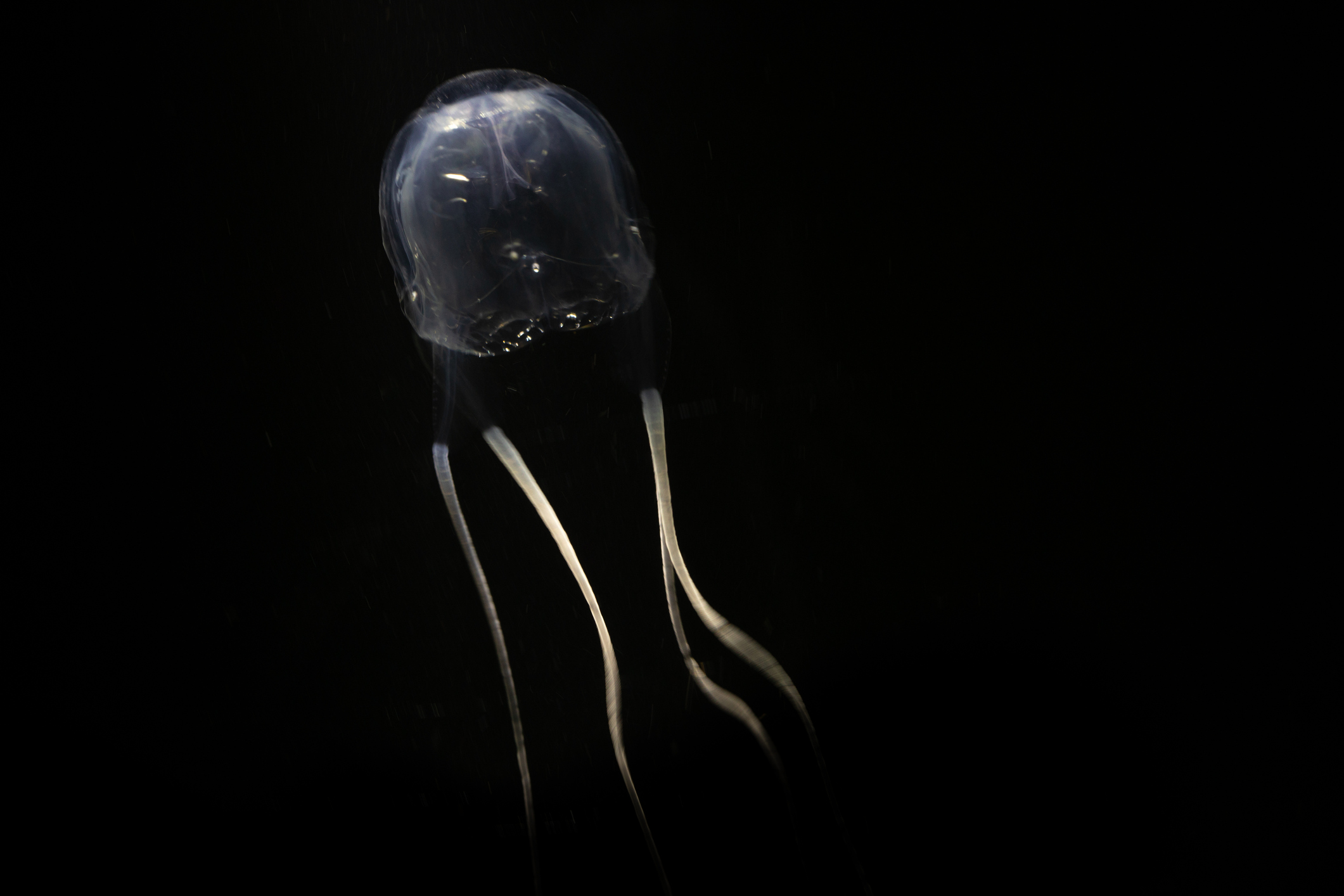
The Australian box jellyfish – also known as the sea wasp – is thought to be the most dangerous jellyfish in the world, carrying lethal toxins which have rapid effect, causing paralysis and cardiac arrest in as little as five minutes. There are 50 different species of box jellyfish, and only eight are able to kill humans, with the Australian box jellyfish believed to be the most deadly.
In fact, they are considered to be the most dangerous animal in the ocean, believed to cause between 40 and 100 deaths each year – although this number may be much higher, due to undocumented deaths.
Biggest coral reef in the ocean
The Great Barrier Reef is the largest coral reef system in the world, covering about 133,000 square miles off the coast of Queensland, Australia. Unfortunately, the reef has shrunk significantly in terms of living coral cover over the past few decades, as a result of repeated heatwaves and mass bleaching. Long-term studies show that the reef has lost more than half its coral populations since the mid 1990s.
Biggest heart in the ocean
A blue whale’s heart is the biggest in the animal kingdom, with the largest on record clocking in at 440 pounds – the weight of three adult humans.
Deadliest octopus in the ocean
While all octopuses are venomous, the venom of some particular species is more toxic than others. The most venomous octopus of all is considered to be the blue-ringed octopus. Despite only measuring about the size of a golf ball, the blue-ringed octopus holds enough venom in its body to kill 26 adult humans within minutes. Plus, there’s no known antivenom.
Fastest swimmer in the ocean
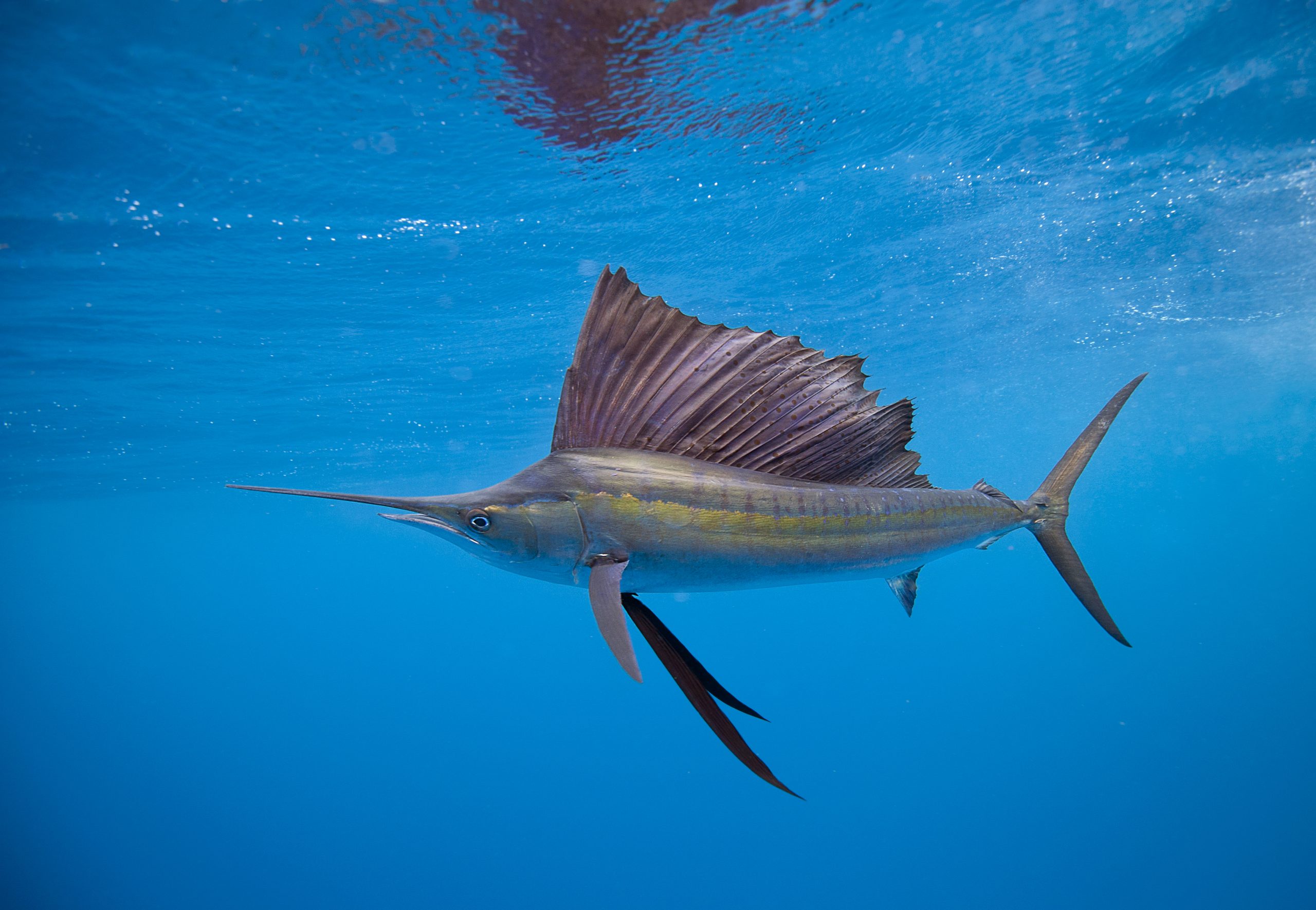
There are two at the top of the podium in the award for fastest fish: the sailfish and the bluefin tuna. At a fishing event in Florida in the early 1900s, a hooked Indo-Pacific sailfish reportedly pulled out 91m of line in three seconds, which equates to a speed of 110kph (68mph).
Bluefin tuna can accelerate faster, however, having been recorded reaching speeds of 232kmph (144mph) over two seconds, compared with the sailfish’s 126kmph (78mph).
Biggest brain in the ocean
The biggest brain on Earth lives in the ocean: it’s the sperm whale. The average weight of an adult male sperm whale’s brain is 7.8kg, compared to 1.4kg for a human. In fact, a sperm whale’s head makes up a third of its entire body length.
Biggest crustacean in the ocean
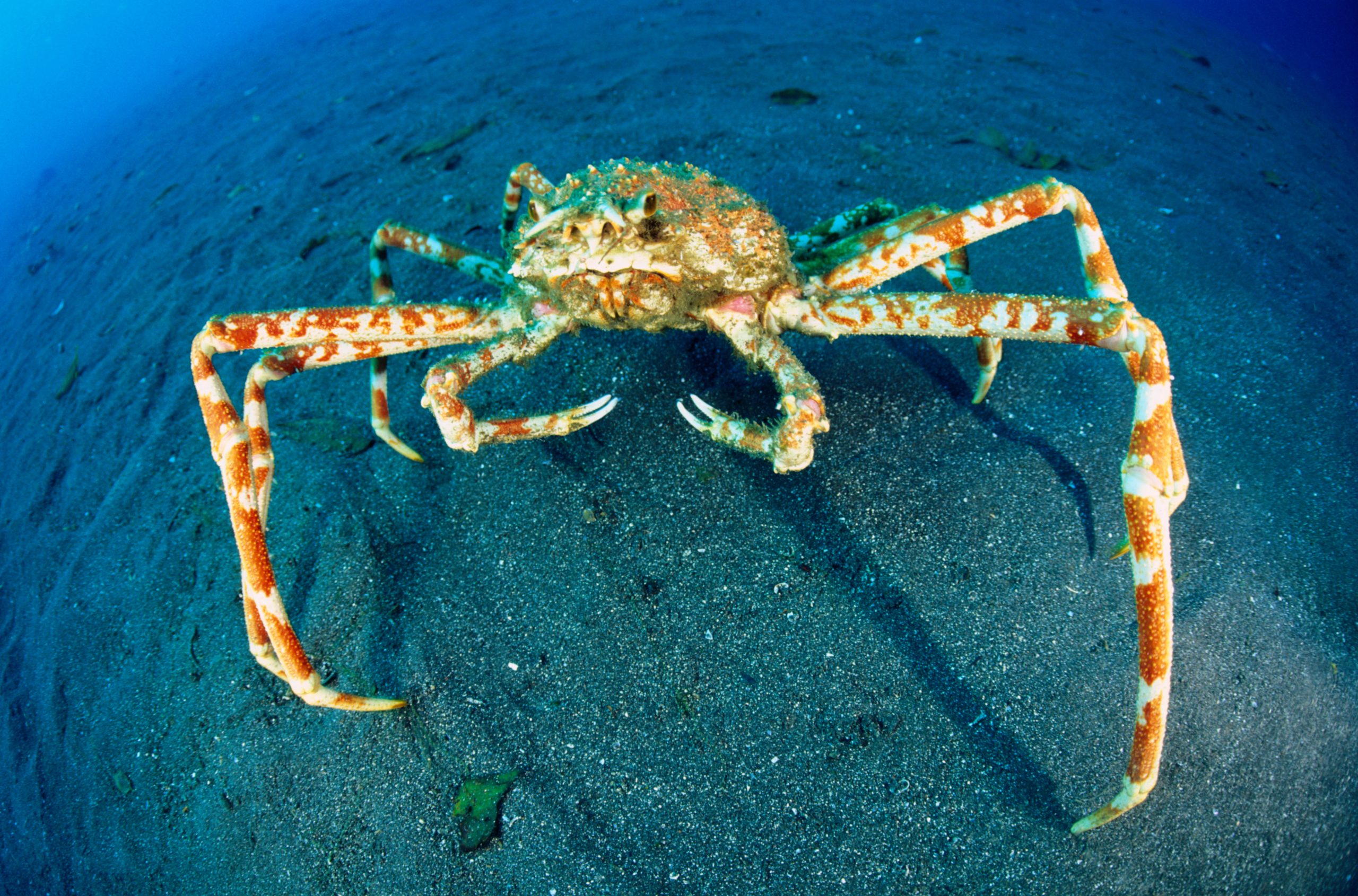
The Japanese spider crab has a leg span of 3.69m – yes, that’s longer than a king-sized bed – but isn’t, surprisingly, the weightiest crustacean.
- It's the size of a small car, weighs as much as an e-bike – and can live for an amazing 100 years...
- Ghostly footage shows thousands of giant spider crabs crawling all over each other. It's the largest gathering of its kind on Earth
Heaviest crustacean in the ocean
While the Japanese spider crab takes the crown for the biggest marine crustacean, the American lobster is the heaviest. The heaviest specimen was discovered off the coast of Nova Scotia, Canada, in 1977, weighing 20.14kg.
Sharpest teeth in the ocean
The conodont – an extinct, eel-like marine vertebrate – had the sharpest teeth ever recorded in the animal kingdom, with microscopic teeth tapered down to a tiny, incredibly sharp point.
Biggest jellyfish in the ocean
The lion’s mane jellyfish has long been thought to be the largest jellyfish in the world, but biologists now believe Nomura’s jellyfish to be the biggest. Weighing up to 200kg, the Nomura jellyfish’s bell measures up to 2 metres in diameter.


